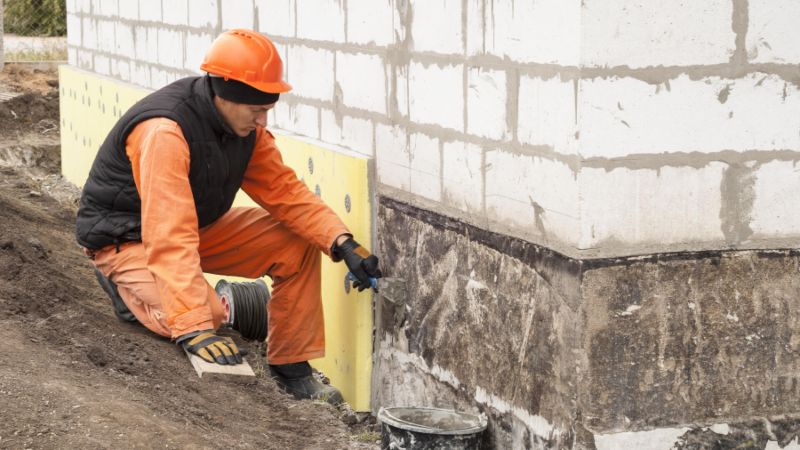
Introduction
A building’s foundation is responsible for transferring structural loads into the ground and helping the property remain stable. When the foundation experiences movement, cracking, or deterioration, the effects may become visible in other parts of the building. Understanding Foundation Repair allows homeowners to identify potential warning signs, learn about available solutions, and plan appropriate maintenance.
The right response depends on the type of foundation, the property’s soil conditions, the source of the damage, and whether movement is continuing. A careful assessment is therefore more useful than selecting a repair method based on a single symptom.
Understanding Foundation Types
Residential buildings commonly use concrete slabs, crawl-space foundations, or basements, although designs vary by region and construction method.
Slab foundations provide a concrete base directly over prepared ground. Crawl-space foundations elevate parts of the building above the soil, allowing access to certain plumbing and structural components. Basement foundations include below-ground walls and spaces that may require additional moisture management.
Each type has different vulnerabilities and repair considerations. For example, water intrusion may be particularly noticeable in a basement, while movement in a slab foundation may be reflected in floor elevations or cracks in walls.
Knowing the foundation type helps professionals determine which inspection methods and repair options are appropriate.
Warning Signs to Watch For
Foundation concerns may appear as cracks in concrete, brickwork, or drywall. Other signs include uneven floors, sticking doors, gaps around windows, and separation between building materials.
Water entering a basement or crawl space can also indicate a problem with drainage, waterproofing, or other site conditions. However, not every sign necessarily indicates foundation failure. Drywall shrinkage, seasonal movement, and ordinary material changes may produce similar symptoms.
Changes that widen, recur after repairs, or appear alongside several other warning signs deserve particular attention. If movement seems sudden or substantial, arrange a prompt professional assessment.
Common Causes of Foundation Damage
Soil behavior is an important factor in foundation performance. Expansive soils can change volume with moisture, while erosion or poorly compacted fill may affect support beneath a structure.
Water management also plays a major role. Leaking pipes, blocked gutters, inadequate downspouts, and poor surface grading can contribute to moisture problems near the foundation. In some circumstances, excessive water may cause erosion or create conditions that increase structural stress.
Construction defects, aging materials, and environmental changes can contribute as well. Because several causes can produce similar symptoms, the underlying issue should be investigated before a repair plan is selected.
Foundation Inspection and Diagnosis
A professional inspection generally begins with a visual review of the building and its surroundings. The specialist may document crack locations, examine exterior walls, assess drainage, and look for changes in floor levels or door alignment.
Additional testing may be appropriate when the damage is extensive or its cause remains uncertain. A structural engineer can evaluate structural concerns, while a geotechnical specialist may help assess soil-related conditions.
A useful diagnosis explains what has been observed, what is believed to be causing it, and whether further investigation is needed. Homeowners should receive a clear description of recommended work and the reasons supporting it.
Common Foundation Repair Methods
Different problems require different solutions.
Crack sealing can help address certain openings in concrete or masonry, particularly when the objective is to limit water entry. However, a crack that reflects ongoing structural movement may require a broader solution.
Pier systems can provide additional support where settlement has affected a structure. The design, placement, and installation method should reflect site conditions and appropriate engineering guidance.
Drainage improvements may involve correcting grading, repairing gutters, redirecting downspouts, or addressing underground water-management systems. Other projects may require localized concrete repairs or structural reinforcement.
The method should match the diagnosed problem rather than being selected simply because it is commonly advertised.
Cost and Project Planning
Foundation repair costs depend on the extent of damage, selected repair system, site accessibility, labor, materials, and additional work. Projects requiring excavation, engineering services, permits, or landscaping restoration may involve extra expenses.
Before approving work, obtain a written estimate with a clear scope. Confirm which materials and labor are included, whether cleanup is covered, and how unexpected conditions will be handled.
Comparing estimates is useful, but homeowners should also compare technical explanations and warranties. A lower price may reflect a narrower scope rather than better value.
Maintaining Foundation Stability
Routine maintenance can help identify problems early. Inspect gutters and downspouts, monitor areas where water collects, and repair plumbing leaks promptly. Ensure surface drainage directs water away from the building where feasible.
Homeowners should avoid ignoring recurring cracks or repeatedly covering them without investigating the cause. Keep records of repairs and take photographs of changes so professionals can compare conditions over time.
Maintenance recommendations should account for local soil, climate, foundation type, and construction characteristics.
Selecting a Qualified Foundation Repair Company
Look for relevant experience, insurance, appropriate licensing where required, and clear written documentation. Ask whether the company can provide references and explain the basis for its recommendations.
For substantial structural concerns, consider obtaining an independent engineering opinion. Review warranty conditions carefully, including exclusions, maintenance obligations, and claim procedures.
A professional provider should communicate clearly, answer questions, and avoid pressuring homeowners into unnecessary decisions.
Conclusion
Foundation Repair is most effective when it addresses the underlying cause of damage rather than merely treating visible symptoms. Recognizing warning signs, obtaining an appropriate inspection, and comparing clearly documented repair options help homeowners protect their properties. Regular drainage maintenance and prompt attention to changing conditions can also support long-term stability. With a suitable diagnosis and a carefully planned repair, homeowners can make informed decisions about preserving their building’s structural performance.