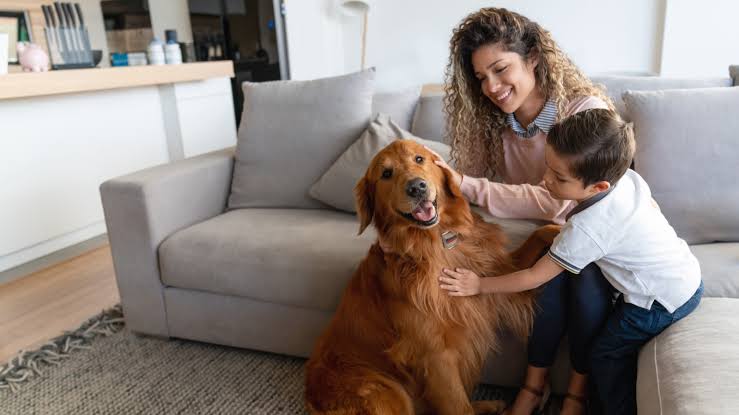
Living with multiple pets can bring companionship and rewarding experiences. However, sharing a home with several animals also creates challenges that require patience, clear communication, and consistent boundaries. Dogs must learn how to interact appropriately with other household pets while respecting their space, routines, and individual needs.
Dog training for multi-pet families focuses on developing behaviors that support safe and positive interactions between dogs and other animals. Whether a household includes cats, rabbits, or other dogs, structured training can help prevent conflict and establish predictable expectations. Rob’s Dog Training recognizes the importance of building reliable behaviors that help dogs become more manageable members of a shared household.
Understand Each Pet’s Individual Needs
Maintaining a peaceful multi-pet household starts with understanding that every animal has different behavioral needs. Dogs may approach unfamiliar animals with excitement or curiosity, while cats might prefer distance and quiet spaces. Other pets may become uncomfortable when a dog approaches too quickly or enters their territory.
Owners should observe how their pets respond to one another before encouraging closer interactions. Pay attention to:
- Body language: Watch for stiff posture, flattened ears, tucked tails, raised fur, or repeated attempts to move away.
- Personal space: Identify areas where individual pets prefer to rest, eat, or spend time alone.
- Energy levels: Consider whether an energetic dog overwhelms a smaller or more reserved household animal.
- Behavioral triggers: Notice situations involving food, toys, or attention that may create tension.
Understanding these differences makes it easier to establish appropriate boundaries. It also helps owners recognize when an interaction needs to be interrupted before discomfort develops into a confrontation.
Establish Consistent Household Rules
Dogs benefit from predictable expectations, particularly when sharing their environment with other animals. Without consistent household rules, they may develop habits that create unnecessary tension, such as chasing cats, stealing food, guarding toys, or disturbing other pets while resting.
Establish clear rules that every household member can reinforce. For example, dogs should learn to leave other animals alone when instructed, stay away from designated feeding areas, and respond reliably when called.
Useful commands include:
- Leave it: Teaches dogs to disengage from objects, food, or animals they should not approach.
- Stay: Helps maintain distance during potentially stressful situations.
- Come: Allows owners to redirect dogs when interactions become too intense.
- Place: Encourages dogs to settle in a designated location rather than following other pets around the home.
- Wait: Builds patience around doorways, feeding areas, and shared spaces.
Consistency is especially important when several people care for the animals. Everyone should use the same verbal cues and reinforce the same expectations. This prevents confusion and helps dogs understand what behaviors are expected.
Introduce Pets Gradually and Safely
Introducing a new dog to an established multi-pet household requires careful preparation. Allowing animals to interact immediately without considering their comfort levels can create fear, defensive behavior, or negative associations.
A gradual introduction gives each pet time to become familiar with the other’s presence without unnecessary pressure.
Consider the following approach:
- Begin with separate spaces. Give the new pet an area where it can rest, eat, and become comfortable with the household environment.
- Introduce familiar scents. Allow animals to investigate bedding or other scent-bearing items from a safe distance.
- Allow controlled visual contact. Use barriers such as gates to let pets observe one another without direct physical interaction.
- Arrange supervised meetings. Keep the dog on a leash when appropriate and maintain enough distance for all animals to remain comfortable.
- Reward calm behavior. Offer treats or praise when the dog responds appropriately, remains relaxed, or follows instructions.
- Increase interaction gradually. Extend the duration and reduce the distance only when the animals consistently demonstrate comfortable behavior.
There is no universal timeline for successful introductions. Some pets adjust within days, while others need several weeks or longer. Owners should avoid forcing interactions and allow each animal to progress at a manageable pace.
Manage Chasing, Excitement, and Unwanted Behavior
Chasing is one of the common challenges in households with dogs and smaller animals. Although a dog may appear playful, chasing can frighten cats, rabbits, and other pets. Repeated incidents may also make future interactions more difficult.
Training should focus on teaching dogs to control their impulses and respond to redirection. Start in an environment with minimal distractions before gradually practicing around other animals at a safe distance.
Reward behaviors such as looking away from another pet, returning attention to the owner, and remaining calm when an animal moves nearby. If the dog becomes overly excited, increase the distance and allow it to settle before trying again.
Owners should also avoid encouraging rough play or allowing dogs to repeatedly pursue other animals. These habits can become difficult to manage when they are consistently reinforced.
For households experiencing persistent chasing or aggressive behavior, professional guidance can help identify underlying triggers and establish an appropriate training approach.
Prevent Competition Over Food, Toys, and Attention
Competition between household pets can create tension even when animals generally get along. Food bowls, favorite toys, sleeping areas, and owner attention may become sources of conflict.
Resource guarding can involve growling, snapping, blocking access, or becoming tense when another animal approaches something valuable. These behaviors should be taken seriously rather than dismissed as ordinary sibling rivalry.
Practical ways to reduce competition include:
- Feed pets in separate areas to prevent food-related conflict.
- Provide individual toys and resting spaces.
- Supervise interactions involving high-value treats or chews.
- Give each pet individual attention.
- Avoid leaving valuable resources in shared areas when conflicts are likely.
Dogs should also learn to remain calm when other animals receive attention. Rewarding relaxed behavior during these situations helps establish that sharing a household does not mean competing for every resource.
If resource guarding occurs, avoid forcibly taking items or punishing warning signals. These responses can increase risk. A qualified professional can help owners address the behavior through an appropriate safety-focused plan.
When to Seek Professional Dog Training
Some multi-pet household challenges can be addressed through consistent home training, while others require professional assistance. Persistent aggression, intense chasing, repeated conflicts, and difficulty responding to basic commands may indicate that an individual training plan is necessary.
Professional instruction can help owners understand the reasons behind specific behaviors and learn practical ways to manage them. It can also provide guidance on obedience, impulse control, leash handling, and appropriate responses to distractions.
Training should consider the dog’s temperament, previous experiences, and the needs of the other household animals. The goal should be to establish safer interactions through clear communication and gradual progress rather than forcing immediate results.
Create a More Harmonious Multi-Pet Household
A peaceful home with several animals develops through consistent expectations, appropriate supervision, and training that considers the needs of every pet.
By teaching dogs reliable obedience commands, managing shared resources, and introducing animals gradually, owners can reduce unnecessary tension and encourage more positive household interactions. Progress may take time, but small improvements in communication and behavior can make everyday life more manageable.
The goal of dog training for multi-pet families is not necessarily to make every animal interact constantly. Instead, it is to create an environment where pets can coexist safely, respect one another’s boundaries, and enjoy comfortable routines. With patience and the right guidance, households can build healthier relationships between their animals and establish habits that support long-term harmony.