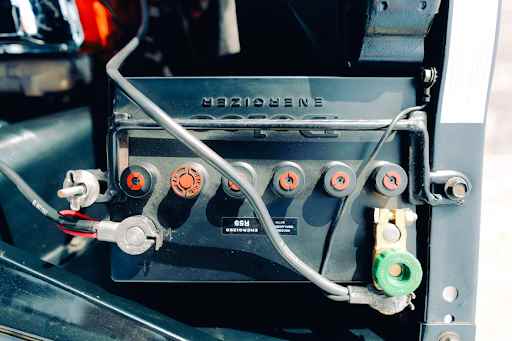
Choosing the right battery involves more than comparing prices and physical sizes. A lightweight AGM battery can provide dependable power for vehicles, backup systems, recreational equipment, and other applications when its specifications match the intended use. AGM stands for Absorbent Glass Mat, a lead-acid battery design that holds electrolyte in fiberglass separators. Before purchasing, consider capacity, voltage, dimensions, weight, charging compatibility, and expected operating conditions to find a suitable and reliable option.
1. Check Battery Capacity and Power Requirements
Battery capacity determines how much electrical charge a battery can deliver under specified testing conditions. It is commonly measured in amp-hours (Ah), while starting batteries may also be rated by cold-cranking amps (CCA).
When selecting a lightweight AGM battery, calculate the power required by your equipment and estimate how long it must operate between charges.
2. Evaluate Weight and Physical Dimensions
Weight is especially important when a battery must be carried, transported, or installed in equipment with limited space. A lightweight AGM battery may simplify installation and help reduce the overall load.
However, lighter construction should not mean compromising essential performance requirements. Measure the battery compartment carefully and check terminal positions, mounting arrangements, and clearance.
3. Confirm Voltage and Application Compatibility
Different devices require specific battery voltages, such as 6V or 12V, depending on their electrical design. Choosing the wrong voltage can prevent proper operation or damage connected equipment.
A lightweight AGM battery should also match the application’s demands, whether it supports engine starting, backup power, or repeated charging and discharging. Check the equipment manufacturer’s recommendations before purchasing.
4. Review Charging Requirements and Battery Life
Proper charging plays an important role in battery performance and service life. AGM batteries require a compatible charging profile, and excessive charging voltage can cause damage.
When comparing a lightweight AGM battery, check the manufacturer’s recommended charging voltage, current limits, and temperature requirements. A compatible smart charger can help manage the charging process.
5. Consider Durability and Operating Conditions
The environment in which a battery operates can affect its performance and longevity. High temperatures can accelerate aging, while cold conditions can reduce available capacity.
If your equipment experiences vibration or frequent movement, look for a model designed for those conditions. A lightweight AGM battery may offer a sealed, spill-resistant design, but it still requires appropriate installation and handling.
6. Compare Price, Warranty, and Manufacturer Support
Price matters, but the cheapest battery is not always the best long-term investment. Compare rated capacity, expected service life, warranty coverage, and compatibility rather than relying on weight alone.
When purchasing a lightweight AGM battery, choose a reputable supplier that provides clear technical specifications and reliable after-sales support.
Final Thoughts
Selecting the right battery requires balancing weight, capacity, compatibility, durability, and cost. A lightweight AGM battery can be a practical choice when its specifications match the equipment’s electrical demands and installation requirements. Before purchasing, verify voltage, amp-hour capacity, physical dimensions, terminal layout, and charging needs. Consider operating temperatures and expected usage patterns to avoid choosing a model that is unsuitable for your environment.
