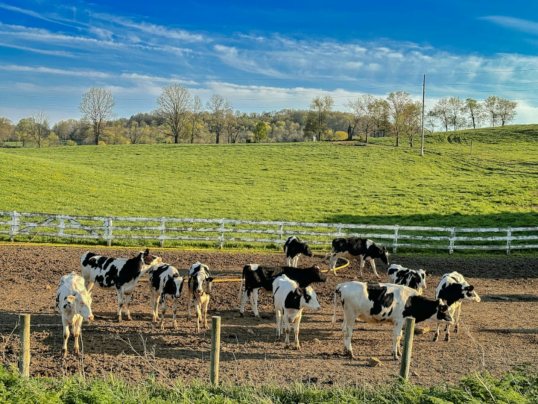
Most people assume a valuer simply walks a property and writes down a number, yet the actual process involves considerably more judgement, methodology and timing than that impression suggests. Farm valuations rely on choosing the right approach for the specific situation, inspecting at the right point in the season, and separating components that get lumped together far too often by anyone unfamiliar with how rural valuation genuinely works. This post skips the general overview and gets into the procedural details that actually determine whether a valuation report holds up once someone actually relies on it.
Three Valuation Methods Tell Different Stories
Valuers typically choose between an income approach, capitalising expected earnings into a present value; a sales comparison approach benchmarked against similar recent transactions; or a cost approach estimating what it would take to replace improvements from scratch, and each method can produce genuinely different figures for the same property. Farm valuations relying on a single method without cross-checking against another risk missing a distortion that would otherwise get caught, since a property might look reasonable under sales comparison but reveal underlying earning weakness once the income approach gets applied properly alongside it.
Site Inspection Timing Affects What Gets Seen
Inspecting a property during peak growing season reveals crop condition, pasture density and irrigation performance in ways a post-harvest or drought-affected inspection simply can’t replicate, and timing genuinely shapes what a valuer actually observes firsthand rather than relies on secondhand records. A valuation conducted immediately after harvest, when paddocks sit bare, and machinery’s been sold off seasonally, requires a valuer experienced enough to look past that temporary appearance towards the property’s genuine underlying productive capacity. Buyers relying on a valuation timed poorly within the season sometimes receive a figure shaped more by visual impression than actual year-round performance.
Working Capital Gets Counted Separately
Livestock, grain stocks, fertiliser inventory and machinery represent working capital genuinely distinct from the underlying real property, and farm valuations that blur this distinction produce a muddled figure that doesn’t clearly separate what’s being bought as land versus what’s essentially a separate business asset transaction. Buyers negotiating a purchase benefit considerably from a valuation that itemises these components individually, since financing arrangements often treat land and livestock differently, and a blended figure makes it genuinely difficult to structure finance appropriately against each distinct asset category involved in the transaction.
Accreditation Matters More Than People Realise
Rural property valuation requires genuine specialist accreditation beyond a general property valuer’s qualification, since understanding livestock markets, seasonal production cycles and agricultural finance conventions demands experience a residential or commercial valuer simply hasn’t developed. Engaging someone holding recognised rural specialist accreditation, rather than a generalist willing to take on an unfamiliar assignment, protects clients from a valuation that technically satisfies formal requirements without actually reflecting genuine rural market understanding. That distinction matters considerably more than most clients realise until they’ve compared a specialist’s report against a generalist’s rougher attempt.
Aerial and Satellite Imagery Changes Assessment
Drone film and satellite imaging are widely used by modern valuers to augment human assessment. These methods disclose pasture quality, water infrastructure, and boundary features throughout an entire property significantly more quickly than touring every paddock by hand. Genuine site inspection is not replaced by this technology, but it provides a layer of verification that captures subtleties that are frequently overlooked during a single walkthrough, especially on bigger sites where it is impractical to physically check every corner in a reasonable amount of time. Compared to valuers who only use conventional walkthrough techniques, those who use these technologies typically provide more extensively supported findings.
Disputed Valuations Need A Clear Process
Parties disagreeing with a valuation figure, whether in a family law matter, partnership dissolution or contested sale, need a clear pathway for obtaining an independent second opinion rather than simply arguing over the original number indefinitely. Establishing this process upfront, agreeing how disputes get resolved before a disagreement actually arises, prevents a valuation disagreement from derailing an entire transaction or legal proceeding. Farm valuations commissioned without this clarity sometimes become the centre of prolonged disputes that a properly structured second-opinion mechanism would have resolved considerably faster.
Final Thoughts
None of this comes down to simply hiring someone to produce a number and moving on quickly. Farm valuations depend on choosing the right methodology, timing inspections sensibly and engaging genuinely accredited specialists who understand rural markets properly. Clients who understand this process tend to receive reports that actually withstand scrutiny during a sale, dispute or finance application, precisely because the valuation reflected careful, considered judgement rather than a rushed number applied without proper regard for the property’s genuine circumstances.